Closed-loop coolant
Record freeze-point method, inhibitor anion if named, and whether the quote is an inhibited heat-transfer fluid or an industrial glycol. Density and flash point wait for the lot that will actually ship.
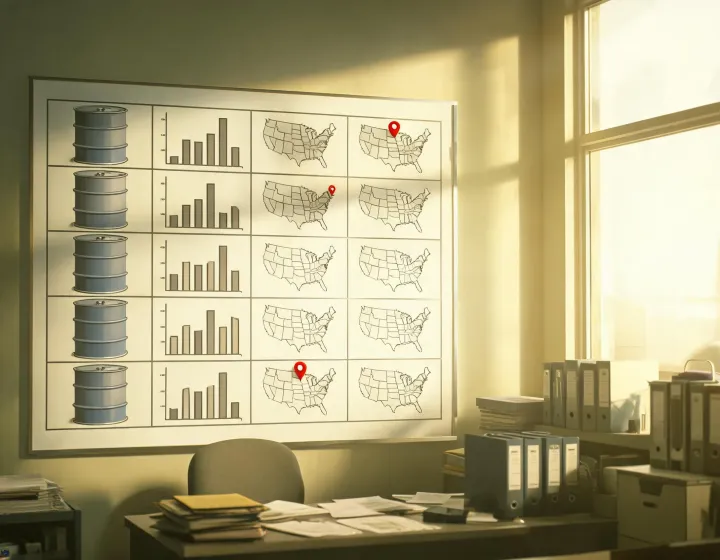
Application to purchase fields
Use this page to turn a process description into purchase fields for propylene glycol distributors: concentration, inhibitor, moisture, package, quantity and US destination. The matrix does not certify that a distributor, mill or tank farm can supply the grade. Heat-transfer, personal-care and resin-carrier settings can share a commercial name while needing different assay and document sets.
Industry controversy on this desk is treated as a selection problem, not a marketing debate. Two recurring trade-offs matter: (1) typical technical data sheet values versus lot-controlled certificate of analysis limits, and (2) a product-family SDS versus the SDS of the exact concentration and package that will move. Buyers who collapse those pairs early make quotes look comparable when they are not.
Record freeze-point method, inhibitor anion if named, and whether the quote is an inhibited heat-transfer fluid or an industrial glycol. Density and flash point wait for the lot that will actually ship.
Write the water, viscosity and residual-solvent limits the inbound lab will run. USP wording is only added when that lab requires it; a sister-grade CoA does not close the line.
Capture drum/IBC mix, relabel language, pallet pattern and whether inland freight or duty sits inside the same commercial number. This page does not imply a tank farm.
Ask TSCA inventory status for a US landing, REACH only if the lot later leaves the US, and GMP evidence solely when the finish process needs it. Those answers attach to the quoted SKU.
Limits that stay on this page: this desk does not issue operating or mixing instructions; hazardous transport follows the exact SDS, UN number and carrier; unknown assay or moisture may remain open until quotation; optional budget is a planning number, not a lowest-price promise.
A family safety data sheet can start planning. Unloading, storage and emergency response wait for the SDS that matches the quoted concentration and package.
Ask whether assay, moisture, pH and viscosity on the technical data sheet are typical or lot-controlled. The certificate of analysis is the file the receiving lab will actually check.
Ask UN number, DOT or IMDG wording and any site restriction that can change the delivered scope. This site does not book freight or classify the load.
Continue with the procurement brief or inquiry configurations.
Name the process setting, requested assay, pack type, quantity unit and US landing point. If purity or UN classification is still unknown, leave those cells open for the plant reply.